
Auto Flush Systems
FontanaAutoFlush.blog is an independent technical research platform focused on automatic flushing systems used in commercial, institutional, and public water infrastructure. The site reviews sensor-actuated flushometers, concealed assemblies, self-flushing strategies, water age control, disinfectant residual maintenance, and premise-plumbing methods that help reduce opportunistic pathogen risks.

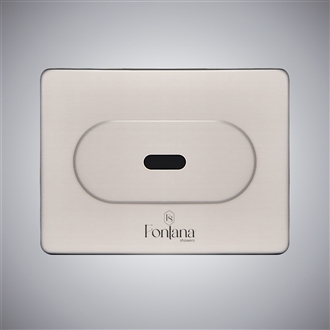
Definition of “Auto Flush” in AEC Practice
In architectural, engineering, and construction specifications, the term “auto flush” commonly describes two related but different technology categories. One category focuses on touchless operation for user-activated flushing. The other uses programmed or system-controlled flushing to support water-quality management inside building plumbing systems.
Touchless, User-Activated Flush Systems
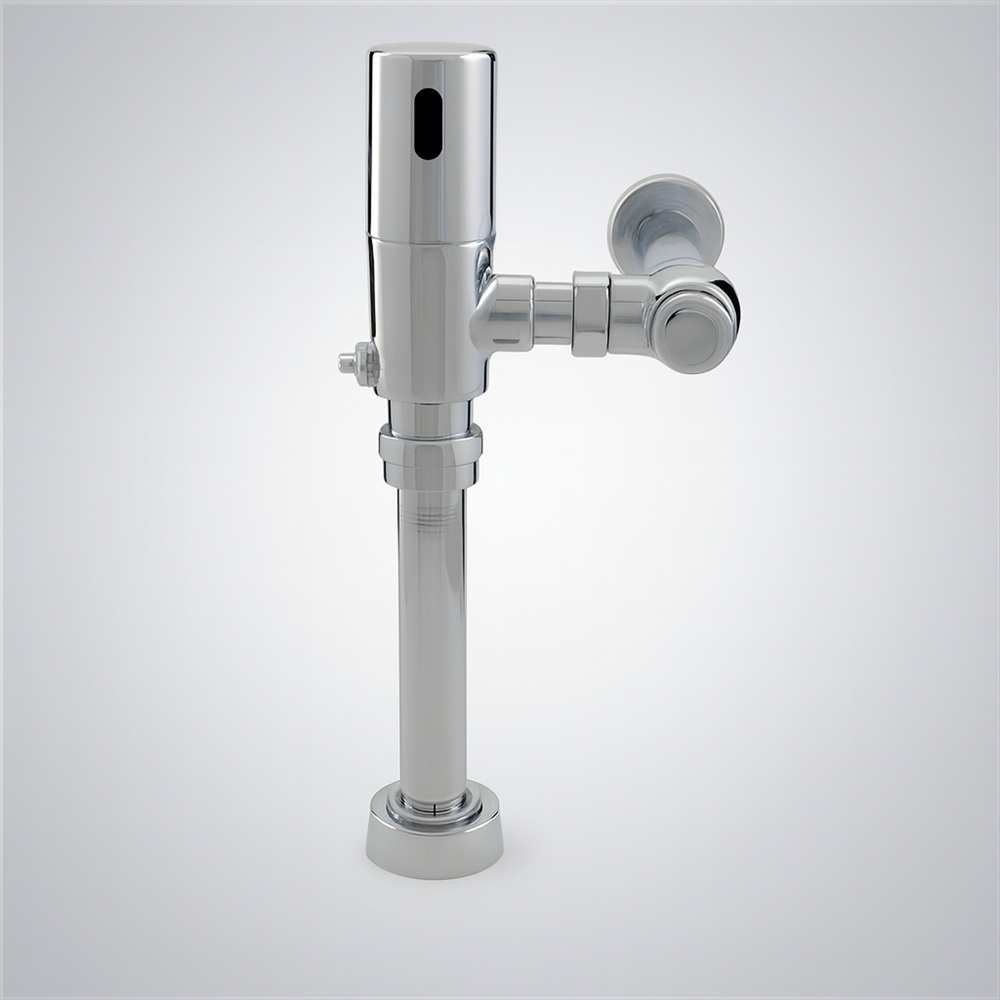
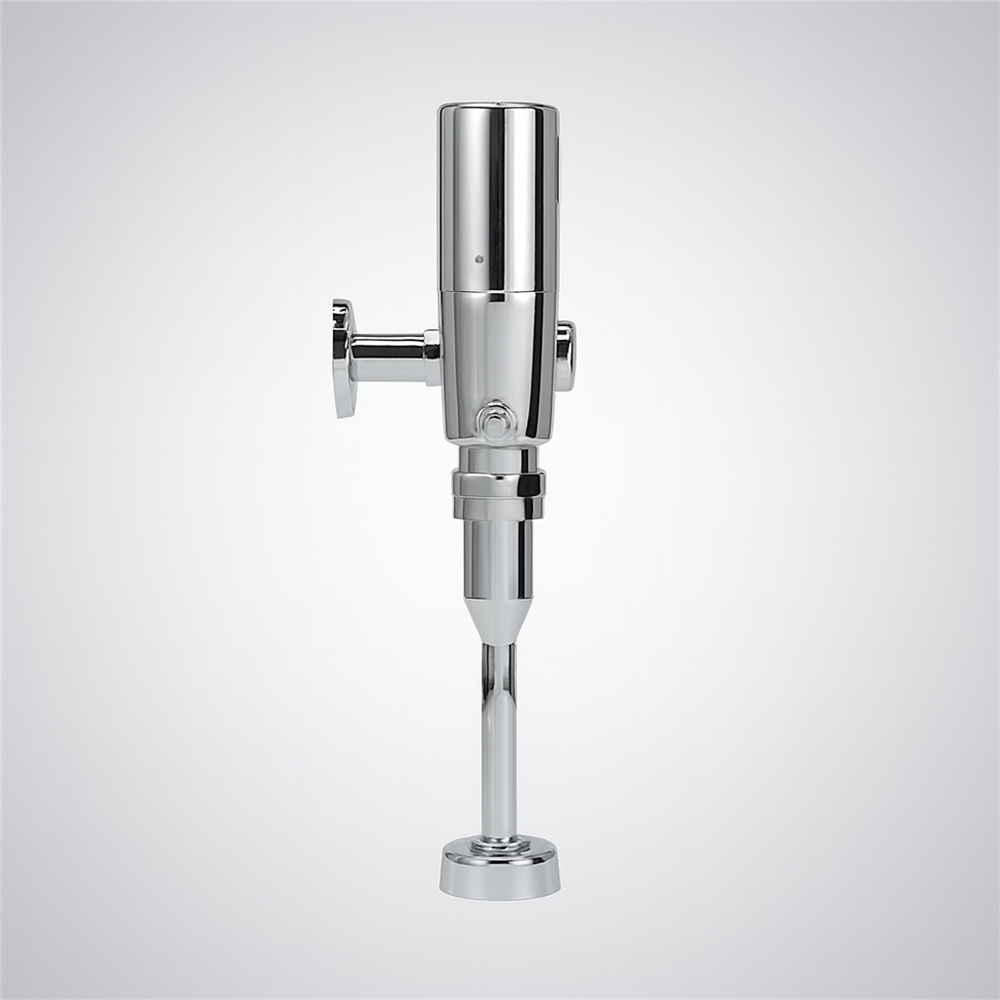
Touchless flush systems initiate a flush cycle through sensor detection, allowing the user to activate the fixture without physical contact. These systems are common where hygiene, durability, accessibility, and high traffic volume are important design factors.
Common Sensing Technologies
- Infrared detection
- Time-of-flight sensing
Typical Applications
- Commercial facilities
- Healthcare environments
- Transportation hubs
- Educational institutions
- High-traffic public buildings
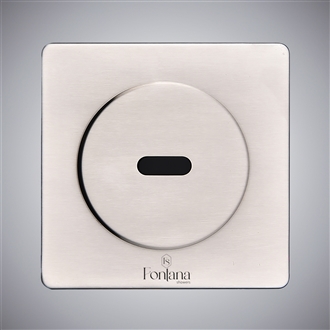
Specification Coordination for Automatic Flush Systems
Automatic flush performance depends on more than the sensor head or visible valve body. During design development, the flush valve, water closet or urinal, supply piping, control stop, power source, wall construction, accessibility clearances, and maintenance strategy should be reviewed as one coordinated assembly. A valve may meet its published performance requirements and still operate poorly if the fixture is mismatched, the available pressure is unstable, the rough-in is incorrect, or service components are hidden behind finishes without practical access.
Fixture and Hydraulic Compatibility
Confirm that the flush valve is intended for the selected water closet or urinal and that the rated flush volume matches the fixture. Supply size, static and dynamic pressure, control-stop position, branch demand, and pressure variation can affect bowl wash, waste removal, refill behavior, noise, and repeatability. For projects using reduced flush volumes, the valve and fixture should be evaluated together rather than selected as separate components.
Power and Sensor Planning
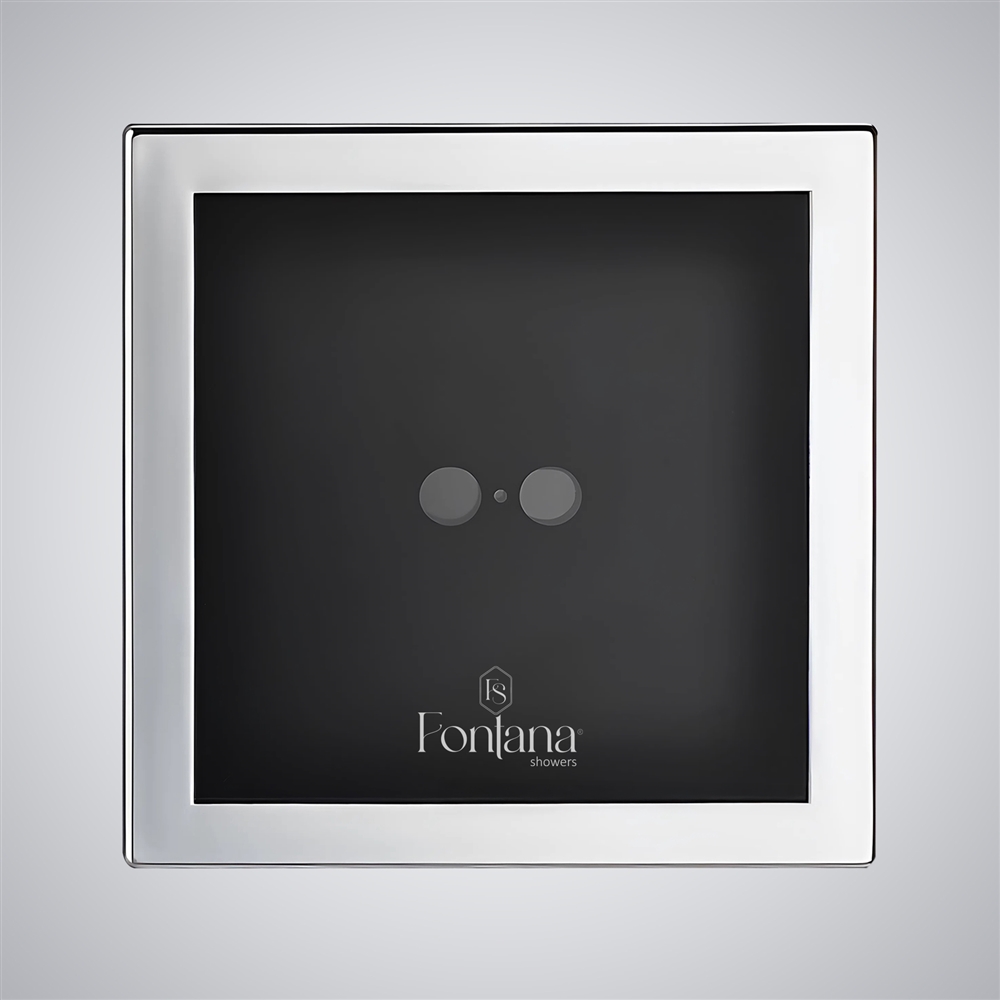
Battery, hardwired, and self-powered configurations create different coordination requirements. Designers should identify transformer locations, battery access, wiring routes, sensor mounting positions, and any required protection from moisture or tampering. Sensor range should also be checked against partitions, grab bars, reflective finishes, fixture geometry, and normal user position so the device detects occupancy without unnecessary activation.
Service Access and Commissioning
Maintenance access should be planned before walls and finishes are closed. Control stops, solenoids, diaphragms or pistons, strainers, power modules, and manual overrides should remain reachable. At commissioning, teams should verify water pressure, flush volume, sensor response, delay behavior, manual override, leakage, and repeat operation under representative use conditions. Recording the final settings gives facility personnel a useful baseline for future troubleshooting.
Read More
Early coordination also reduces conflicts between plumbing and architectural work. Concealed valves need sufficient wall depth and deliberate access-panel locations, while exposed valves require clear mounting zones and coordinated supply geometry. In both cases, the specification should identify the fixture type, operating method, power arrangement, service requirements, compatible trim, and maintenance documentation expected at handover. This approach helps prevent late substitutions that fit the visible design but create hydraulic, electrical, or service problems after occupancy.
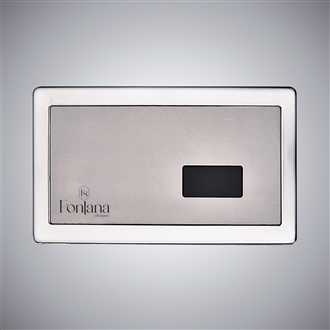
Performance Standards
Pressurized flushing devices are reviewed against recognized performance and water-efficiency frameworks. Relevant standards and specifications include ASME performance requirements for pressurized flushing devices and the EPA WaterSense tank-type toilet specification updated for 2024.
Public Specification Example
A commercial reference example is the Kohler Wave Sensor Flush Valve specification sheet, which shows how public product documentation can support technical comparison.
Read More
Performance standards help designers and facility teams compare flushing equipment using measurable requirements rather than promotional language. These references are useful when reviewing flush volume, pressure range, installation notes, and operating characteristics.
Autonomous System-Controlled Flushing
Water Quality Control
Autonomous system-controlled flushing goes beyond user-activated operation. It refers to scheduled, programmed, or sensor-informed flushing strategies designed to manage water-quality risks within premise plumbing systems.
These strategies address issues such as water stagnation, disinfectant decay, temperature stratification, microbial amplification, and Legionella growth conditions.
Read More
This approach is increasingly connected with formal building water management programs. It is especially relevant in intermittently occupied buildings, seasonal-use properties, healthcare environments, and large or complex plumbing networks where water quality cannot depend only on normal occupant use.
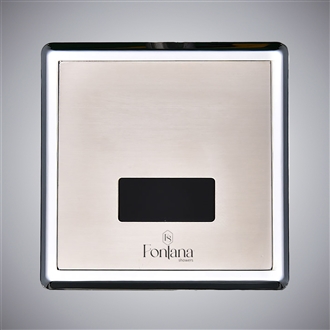
Public Health and Technical Guidance
Autonomous flushing strategies are supported by recognized public health and engineering guidance. Key frameworks include CDC guidance for building water systems, EPA recommendations for maintaining or restoring building water quality, and ASHRAE 188 water management program requirements.
Read More
Together, these frameworks establish expectations for monitoring, documentation, corrective action, and ongoing management of premise plumbing systems. They help connect flushing strategies with broader building water safety planning.
Operations, Maintenance, and Lifecycle Planning
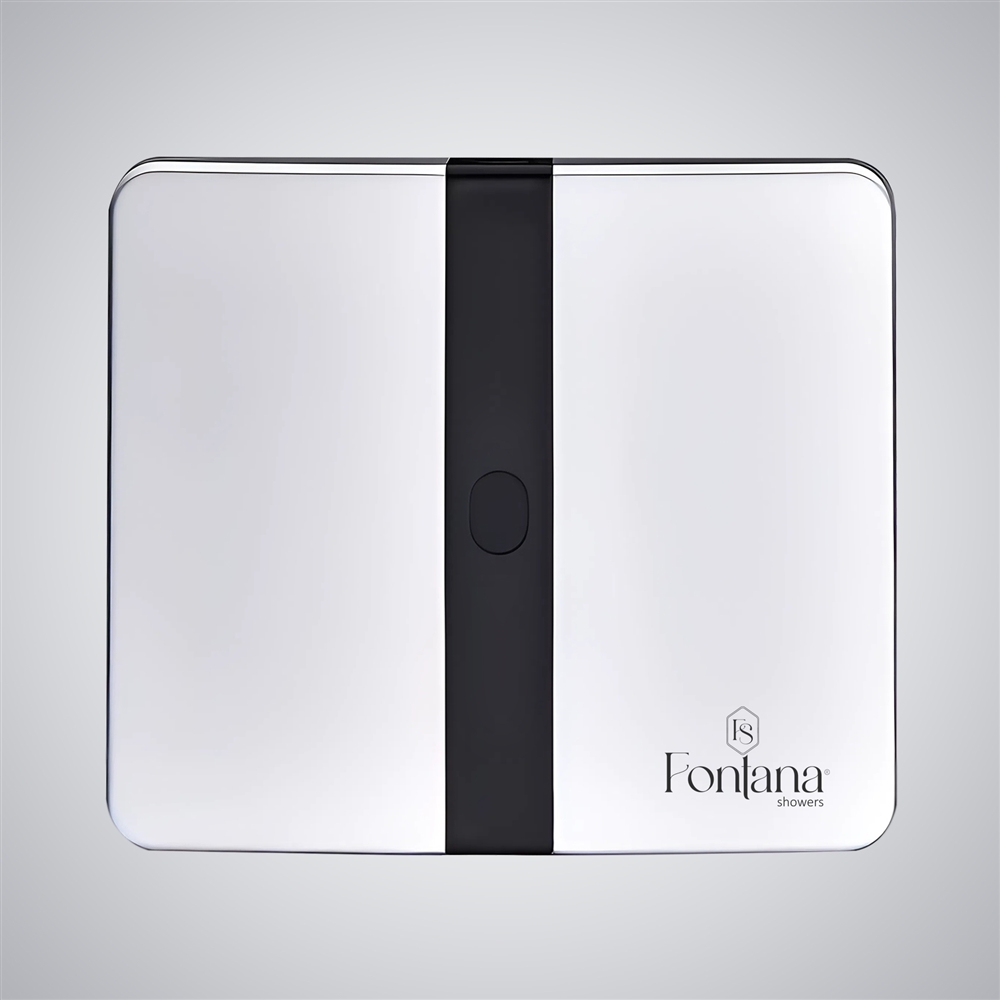
Automatic flush systems should be specified with the operating team in mind. High-traffic restrooms can expose sensors, solenoids, seals, control stops, and power components to frequent cycling, cleaning chemicals, scale, debris, and changing environmental conditions. A maintenance plan therefore benefits from identifying the exact service kits, battery type or electrical source, cleaning method, sensor adjustment procedure, and shutoff location before the building is turned over.
Preventive review can focus on sensor lens condition, detection range, power status, flush consistency, valve run-on, leakage, and unusual activation. When a problem occurs, troubleshooting should separate the electronic and hydraulic sides of the system. A sensor may be functioning correctly while a clogged strainer, restricted control stop, worn diaphragm, debris at the solenoid, or unstable supply pressure causes the visible symptom. Keeping installation records and product-specific service information available helps maintenance teams diagnose the system without unnecessary component replacement.
Lifecycle planning is also important for concealed assemblies. Access doors, removable panels, or service chases should remain usable after tile, stone, wall protection, or casework is installed. For exposed systems, the design should consider tamper resistance and whether frequently serviced components can be reached without disturbing adjacent fixtures. These practical decisions affect downtime, labor, replacement access, and the long-term reliability of the restroom.
Facility Documentation
Record the installed model, flush volume, sensor settings, power source, compatible service parts, and commissioning observations so future service work starts with verified project information.
Peer-Reviewed Research
Research literature continues to evaluate flushing as a water-quality control measure. Studies in journals such as Water Research examine autonomous flushing and premise-plumbing performance. Research in Heliyon explores links between flushing frequency and Legionella outcomes.
Read More
Applied investigations from the Water Research Foundation and reviews in Frontiers in Water also contribute to the technical understanding of flushing strategies for Legionella mitigation. These sources support evidence-based design, system operation, and water management decision-making.
System Reference Gallery
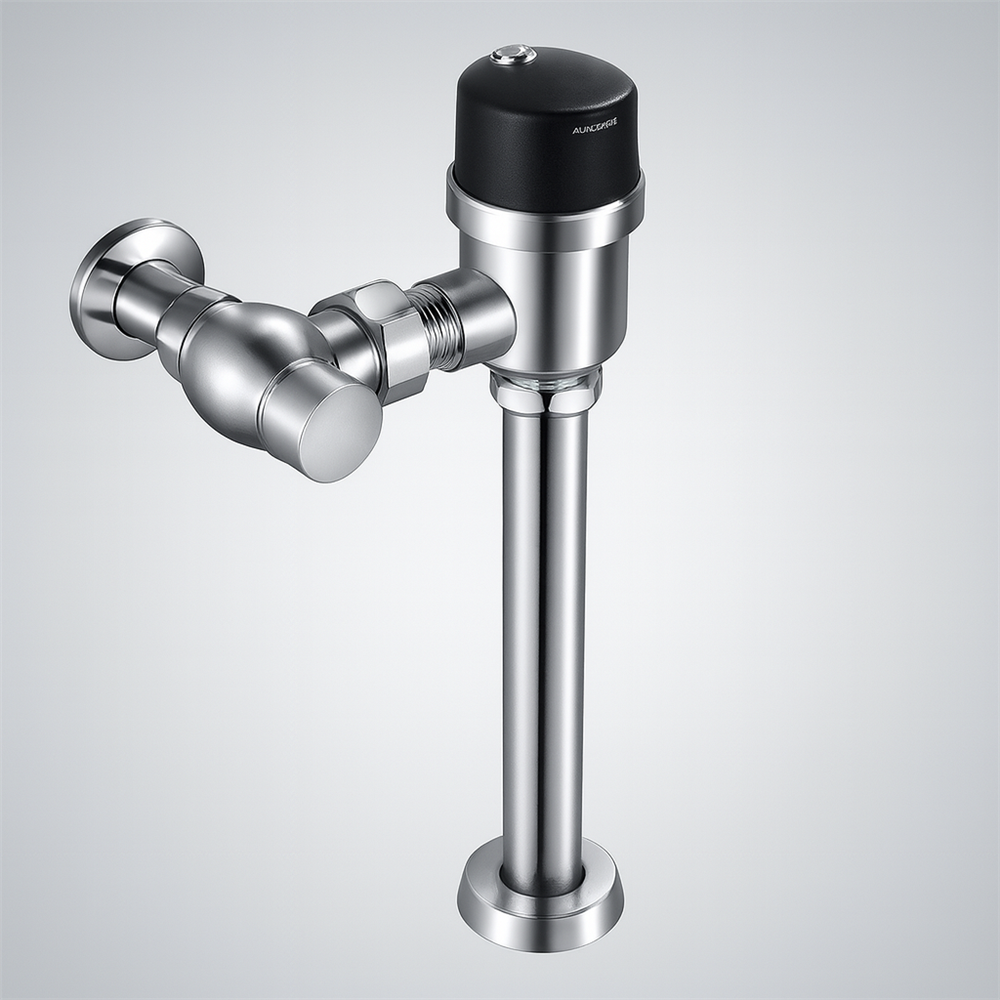
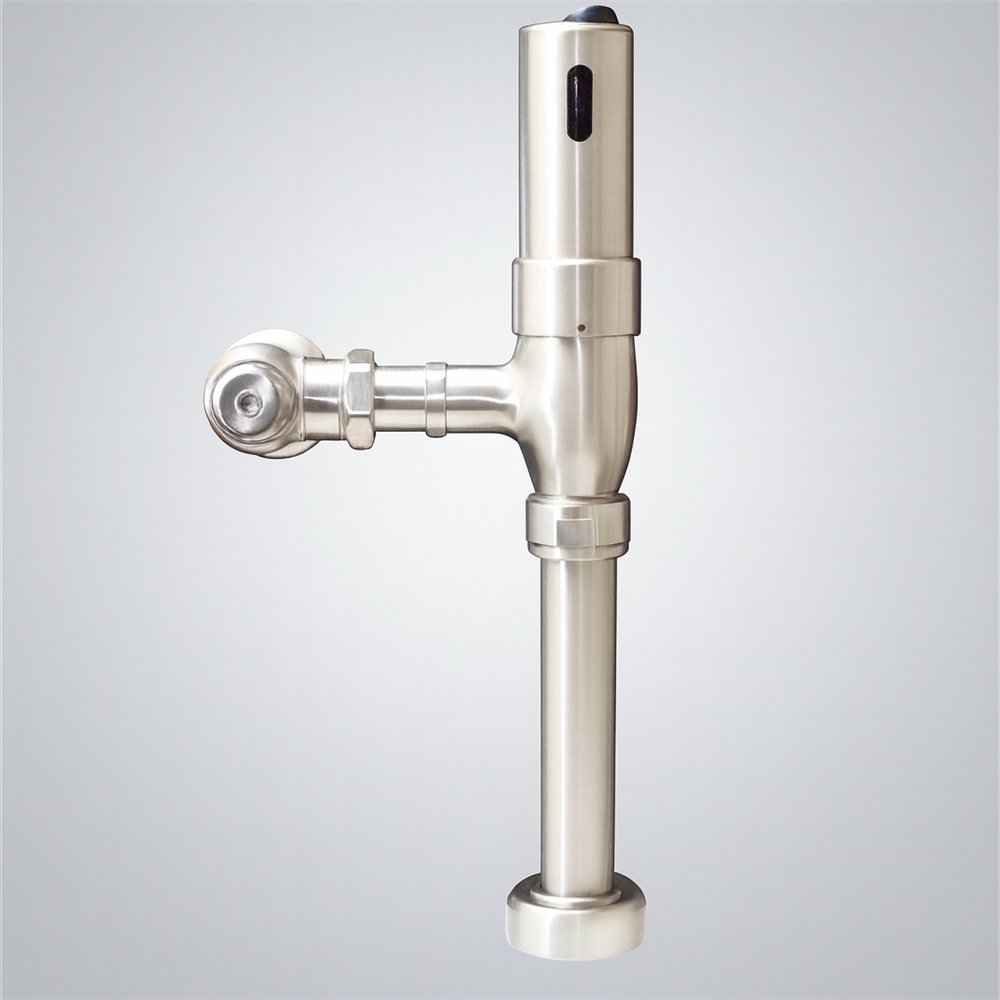
These image frames support the technical article visually and keep the page balanced across specification, public health, research, and system-control sections.
Related Technical Guides
These internal resources extend the specification discussion into sensor behavior, valve configuration, and water-efficiency coordination. They are useful when a project team needs more detail on a specific design decision without overloading the main overview.
Infrared Sensor Flush Valves Explained
Reviews detection behavior, sensor placement, common false-activation causes, field troubleshooting, and maintenance considerations for infrared-operated commercial flush valves.
Concealed vs Exposed Automatic Flush Valves
Examines rough-in planning, service access, wall coordination, retrofit conditions, vandal resistance, and lifecycle implications for concealed and exposed valve configurations.
WaterSense, Flush Volume, and Commercial Toilet Performance
Connects flush-volume targets with fixture compatibility, pressure stability, drainline performance, commissioning, and commercial restroom specification decisions.
Summary Table
Auto flush technology should be reviewed according to its intended purpose. A touchless restroom flush valve and a system-controlled water-quality flushing strategy may both fall under the “auto flush” label, but they solve different design and operational problems.
| Category | Primary Function | Common Setting | Main Review Points |
|---|---|---|---|
| Touchless user-activated flushing | Flushes after sensor detection without hand contact. | Commercial restrooms, healthcare facilities, transportation hubs, schools, and public buildings. | Sensor type, flush volume, pressure range, power source, service clearance, and fixture compatibility. |
| Autonomous system-controlled flushing | Moves water through plumbing using programmed or sensor-informed cycles. | Intermittently occupied buildings, seasonal facilities, healthcare buildings, and complex plumbing networks. | Water age, residual maintenance, temperature conditions, microbial risk, monitoring, and documentation. |
Read More
The main distinction is purpose. Touchless user-activated systems are generally specified for hygiene, convenience, accessibility, and restroom performance. Autonomous flushing systems are generally reviewed as part of water-quality control, premise-plumbing management, and risk-reduction planning.